Invisalign IPR (Teeth Shaving): Is It Safe? What to Expect
IPR (Interproximal Reduction) sounds intimidating—"teeth shaving" sounds even worse—but it's actually a common, painless procedure. According to a 2022 study cited by Cleveland Clinic, 71% of Invisalign patients need some form of IPR during treatment.
Key Facts About IPR
- • What it is: Removing a fraction of a millimeter of enamel between teeth
- • How common: 71% of Invisalign patients need it
- • Pain level: Painless (enamel has no nerves)
- • Purpose: Create space for tooth movement without extractions
- • Safety: Safe when done by a trained professional
- • Other names: Teeth shaving, interproximal stripping, teeth slenderizing
What Is IPR (Interproximal Reduction)?
Interproximal reduction (IPR) is a procedure that removes small amounts of enamel between your teeth. Dentists use it to create more space in your mouth before or during Invisalign treatment.
Other names for IPR include:
- Teeth shaving
- Interproximal stripping
- Teeth slenderizing
- Enamel reduction
If you have crowded, oversized, or overlapped teeth, IPR is a minimally invasive procedure that can make a big difference in your smile. But not everyone needs it—if you have enough room in your mouth to move teeth around, it's probably not necessary.
Why Is IPR Needed for Invisalign?
Teeth shaving is primarily done to:
- Improve alignment
Especially in cases of mild to moderate crowding, removing tiny amounts of enamel helps teeth move more freely. - Create space
When teeth are too close together, there's little room for them to move into their correct positions without filing a bit of enamel away. - Prevent extractions
In many cases, teeth shaving can reduce the need for tooth extractions, offering a less invasive alternative. - Improve aesthetics
IPR can reshape contact points to eliminate "black triangles" between teeth. - Improve bite
Better tooth positioning leads to improved occlusion (how your teeth meet).
How Does IPR Work? (Step-by-Step)
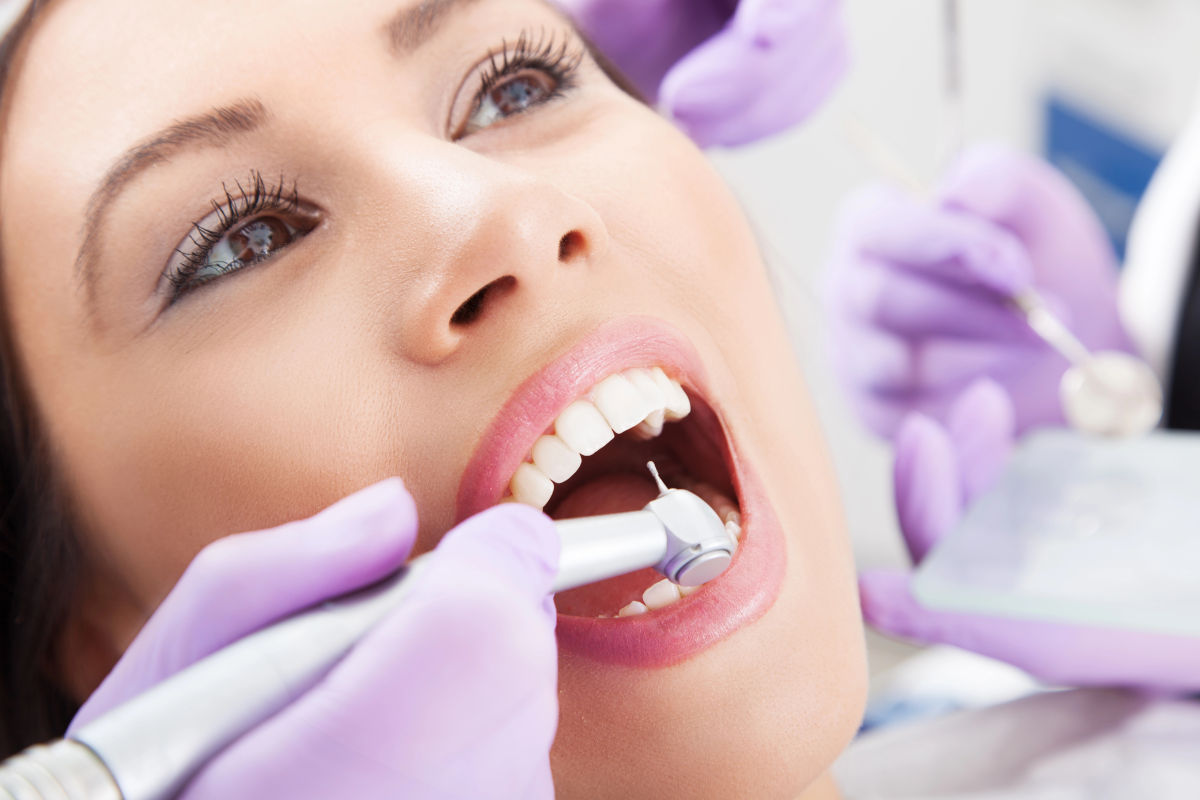
Teeth shaving is a precise, quick process carried out by your orthodontist using special tools:
- Instrument selection
Depending on how much enamel needs to be removed, your orthodontist will choose either a diamond-coated strip for smaller amounts or a fine dental drill for larger reductions. - Filing the teeth
Using these tools, the orthodontist carefully files between your teeth to create tiny gaps. This is done slowly and methodically—only a fraction of a millimeter is removed. You might feel a light vibration, but no pain. - Gap measurement
After filing, your orthodontist measures the gap created to ensure it's the correct width for your Invisalign aligners. - Polishing and smoothing
Once filing is complete, the edges of your teeth are buffed and polished to smooth out any rough spots. - Protecting the enamel
Your orthodontist may apply fluoride or another protective solution to promote remineralization and strengthen the enamel.
The process typically takes only a few minutes per tooth, and you can go back to your normal activities right after.
Does IPR Hurt?
No. Teeth shaving for Invisalign is generally painless. Since only a thin layer of enamel is removed and the procedure doesn't go near the tooth's nerves, discomfort is minimal.
Most patients describe it as a slight pressure or vibration rather than actual pain. In rare cases, if you're particularly sensitive, your orthodontist may apply a numbing gel to ensure maximum comfort.
No anesthesia is required for IPR.
Benefits of IPR
According to Cleveland Clinic, IPR is a conservative treatment with significant long-term benefits:
- Creates space for orthodontic treatment without extractions
- Enhances tooth shape and gives them a more uniform appearance
- Improves your bite (occlusion)
- Minimally invasive compared to tooth extractions
- Faster treatment: Studies show patients undergoing IPR often complete Invisalign treatment quicker
- Better aligner fit: Aligners work more effectively with proper spacing
Are There Risks?
While IPR is common and safe, it's important to understand:
- IPR is permanent and irreversible
Enamel does not grow back. However, the amount removed is so small (a fraction of a millimeter) that it doesn't compromise the long-term strength of your teeth. - Temporary sensitivity
Some patients experience mild sensitivity to hot or cold foods after the procedure. This is temporary and can be managed with toothpaste designed for sensitive teeth (like Sensodyne). - Risk of uneven wear
If not done correctly, IPR could cause uneven wear. However, when performed by an experienced orthodontist, this risk is extremely low. - Removing too much enamel
The main risk is removing too much enamel, which can make teeth weaker. This is why you should only have IPR done by a trained professional.
Never try teeth shaving on your own. Seeing a trusted dental professional is the only safe way to have IPR done.
How to Care for Teeth After IPR
Proper aftercare helps maintain the health of your teeth after IPR:
- Brush gently: Use a soft-bristled toothbrush and non-abrasive fluoride toothpaste
- Floss regularly: Keep the spaces between your teeth clean, especially after meals
- Avoid hard foods: For the first day or two, avoid very hard or crunchy foods
- Use sensitive toothpaste: If you experience sensitivity, switch to Sensodyne or similar
- Regular check-ups: Follow up with your orthodontist to monitor progress
Frequently Asked Questions
Is IPR painful?
No. Tooth enamel has no nerves. You might feel vibration or pressure, but not pain. Sensitive patients can request topical anesthetic gel.
Does IPR damage teeth?
When performed by a trained professional, IPR is very safe. The amount removed is minuscule—often less than natural wear over years—and doesn't weaken the tooth.
Is IPR always needed with Invisalign?
No. About 71% of patients need it, but if you have gaps between teeth (like diastema) or only need minor alignment, IPR won't be necessary. It depends on your specific case.
Are there alternatives to IPR?
Yes. The main alternative is tooth extraction, which is more invasive. IPR is considered a conservative approach that preserves natural teeth. Another option is palatal expansion (for younger patients).
How much enamel is removed?
Only a fraction of a millimeter—typically 0.1 to 0.5mm per tooth. This is less than the natural wear teeth experience over years of normal use.
Will my teeth be more sensitive after IPR?
Some patients experience temporary sensitivity to hot or cold. This usually resolves within a few days. Using sensitive toothpaste can help.
IPR Is Safe and Effective
IPR is a modern, minimally invasive technique that helps Invisalign achieve optimal results. It's painless, safe when performed by a professional, and often avoids the need for tooth extractions.
If your orthodontist recommends IPR, it's to ensure the best possible outcome for your smile. The procedure takes just minutes, requires no anesthesia, and you can return to normal activities immediately.
Questions About Invisalign?
Find an experienced Invisalign provider in Phuket for a consultation.
Find a Dentist