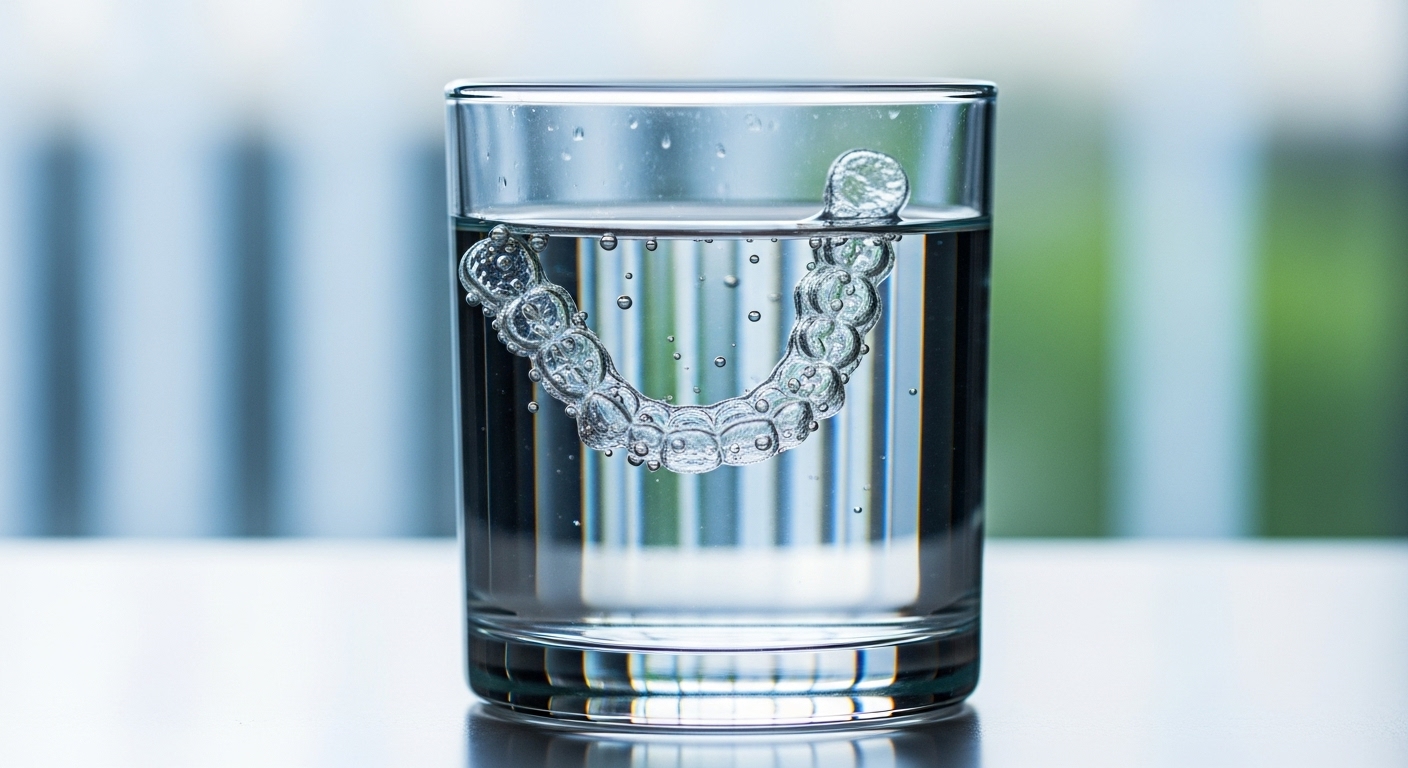
How to Clean Invisalign: Do's, Don'ts & Best Practices
Clean aligners = healthy teeth. Dirty aligners trap bacteria against your teeth, leading to cavities and bad breath. According to Healthline, there's a difference between cleaning and rinsing—rinsing may make aligners appear cleaner, but doesn't address the unseen bacteria that builds up.
Cleaning Essentials
- • Rinse: Every time you remove aligners
- • Brush: Soft toothbrush + clear soap (NOT toothpaste)
- • Soak: Daily in cleaning solution or effervescent tablets
- • Avoid: Hot water, toothpaste, colored mouthwash
- • Research says: Brushing + tablets is most effective
Cleaning vs. Rinsing: What's the Difference?
According to Healthline, rinsing your aligners may make them appear slightly cleaner, but you haven't done anything to address the unseen bacteria that can build up. Proper cleaning requires brushing and/or soaking.
What Does Research Say About Cleaning Methods?
A study published in the journal Clinical, Cosmetic, and Investigational Dermatology studied the pathogens on invisible aligners that were changed every 2 weeks for a 6-week period. They compared three approaches:
- Rinsing with water only
- Using effervescent tablets plus brushing
- Brushing the aligners alone with toothpaste and a toothbrush
Results: Researchers determined that brushing and using effervescent tablets most effectively cleaned the aligners. They also found that brushing alone was only slightly inferior to using the tablets.
Official Invisalign Cleaning Method
According to the official Invisalign website, here's the basic nightly cleaning process:
- Rinse your aligners with water every night
- Brush your aligners with a soft-bristled toothbrush (not the one you use for your teeth) and gentle, clear liquid soap to remove debris and food particles
- Rinse thoroughly after brushing
- Store in a protective case whenever they aren't in use
Complete Daily Cleaning Routine
Morning Routine
Rinse and clean your trays and teeth when you wake up. This helps remove plaque and bacteria that build up during the night, keeping your trays and teeth clean and preventing bad breath.
Every Time You Remove Aligners
Rinse your aligners under lukewarm water every time you take them out. This stops bacteria from forming a dried-out film on your aligners.
After Eating
Always brush your teeth before putting aligners back in. Keeping your teeth clean while wearing aligners is essential for avoiding cavities and minimizing bacterial buildup. If brushing isn't possible, rinse thoroughly with water or mouthwash.
Nightly Deep Clean
Clean your aligners at the same time you brush and floss your teeth. This removes built-up food, debris, and bacteria accumulated during the day. Soak in cleaning solution every few days to keep them fresh and transparent.
Cleaning Methods Compared
| Method | Effectiveness | Notes |
|---|---|---|
| Effervescent tablets + brushing | Best (research-proven) | Most effective per clinical study |
| Invisalign Cleaning Crystals | Excellent | Official product, designed for aligners |
| Denture cleaner (Retainer Brite) | Excellent | Affordable, widely available |
| Clear soap + soft brush | Very good | Simple, always available |
| Brushing alone | Good | Slightly less effective than tablets |
| Rinsing with water only | Poor | Doesn't remove bacteria |
Do's: Follow These Tips
- Do use unscented, clear soap
An unscented, clear antibacterial soap will wash away bacteria and rinse away cleanly. High-quality soap is just as effective as specialized products. - Do rinse aligners whenever you remove them
This prevents bacteria from forming a dried-out film. - Do brush your teeth after eating
Always brush before putting aligners back in to avoid trapping food particles. - Do soak aligners every few days
Soaking in cleaning solution removes bacterial buildup and keeps aligners transparent. - Do store aligners in their case
This protects them from bacteria and damage when not in use.
Don'ts: Avoid These Common Mistakes
- Don't use toothpaste
Most toothpastes contain abrasives like baking soda or silica. These help clean teeth but scratch plastic aligners, causing grooves that trap bacteria and make aligners look cloudy. - Don't use hot water
Use only lukewarm water. Very hot water can warp and permanently damage your aligners, delaying your treatment. - Don't use scented or colored soap
Scented soap will make aligners taste bad. Colored soap can stain them. Stick to unscented, clear soap. - Don't use colored mouthwash
Mouthwashes with color (blue, green, etc.) can stain aligners. Alcohol-based mouthwash can damage the plastic. - Don't leave aligners out in the open
Always store in their case when not wearing. This prevents bacteria collection and protects from damage. - Don't use a hard-bristle brush
Use only a soft-bristle toothbrush. Coarse bristles can scratch aligners.
Why Cleaning Matters
Failure to clean aligners properly can cause:
- Discolored aligners: Making your teeth look yellow
- Bad breath: Bacteria buildup causes odor
- Cavities: Bacteria trapped against teeth increases decay risk
- Gum problems: Bacteria can irritate gums
Even though you change aligners every 1-2 weeks, they're still worth cleaning carefully. You're continually exposing your teeth to whatever is on your aligners.
Frequently Asked Questions
How often should I clean my aligners?
Clean your aligners on a nightly basis, at the same time you brush and floss your teeth. Also rinse them every time you remove them. Clean them whenever they appear visibly dirty.
Can I use mouthwash to clean aligners?
Only clear, alcohol-free mouthwash. Colored mouthwash stains aligners. Alcohol-based mouthwash can damage the plastic.
Can I use denture cleaner instead of Invisalign crystals?
Yes! Many orthodontists recommend denture cleaners like Retainer Brite. They're effective and more affordable than official Invisalign products.
Why do my aligners turn yellow?
Yellow aligners usually result from drinking colored beverages (coffee, tea, wine) while wearing them, or from inadequate cleaning. Always remove aligners before drinking anything except water.
How do I remove stains from aligners?
Soak in a mixture of hydrogen peroxide and water (1:1) for 30 minutes. For stubborn stains, use denture cleaner or Invisalign cleaning crystals. Prevention is easier than removal—always remove aligners before drinking colored beverages.
What if my aligners smell bad?
Bad smell means bacteria buildup. Soak them in cleaning solution, brush more thoroughly, and improve your cleaning routine. Make sure you're brushing your teeth before putting aligners back in.
Can I use a regular toothbrush for my aligners?
Use a separate soft-bristle toothbrush for your aligners—not the same one you use for your teeth. This prevents transferring bacteria.
Keep Your Aligners Crystal Clear
Clean aligners are essential for oral health and treatment success. Research shows that brushing combined with effervescent tablets is the most effective cleaning method.
Follow these key practices:
- Rinse every time you remove aligners
- Brush daily with clear, unscented soap and a soft toothbrush
- Soak in cleaning solution every few days
- Always brush your teeth before putting aligners back in
- Store in a protective case when not wearing
- Avoid hot water, toothpaste, and colored products
With proper care, your aligners will stay clear, odor-free, and hygienic throughout your treatment journey.
Questions About Invisalign Care?
Find an experienced Invisalign provider in Phuket for personalized advice.
Find a Dentist